What is the best month to go to Serengeti?
August for the migration and dry-season game viewing, February for calving and green plains. A month-by-month read on weather, herds, crowds and park costs.
 By Juma Kimaro, Serengeti balloon safari specialist since 2015
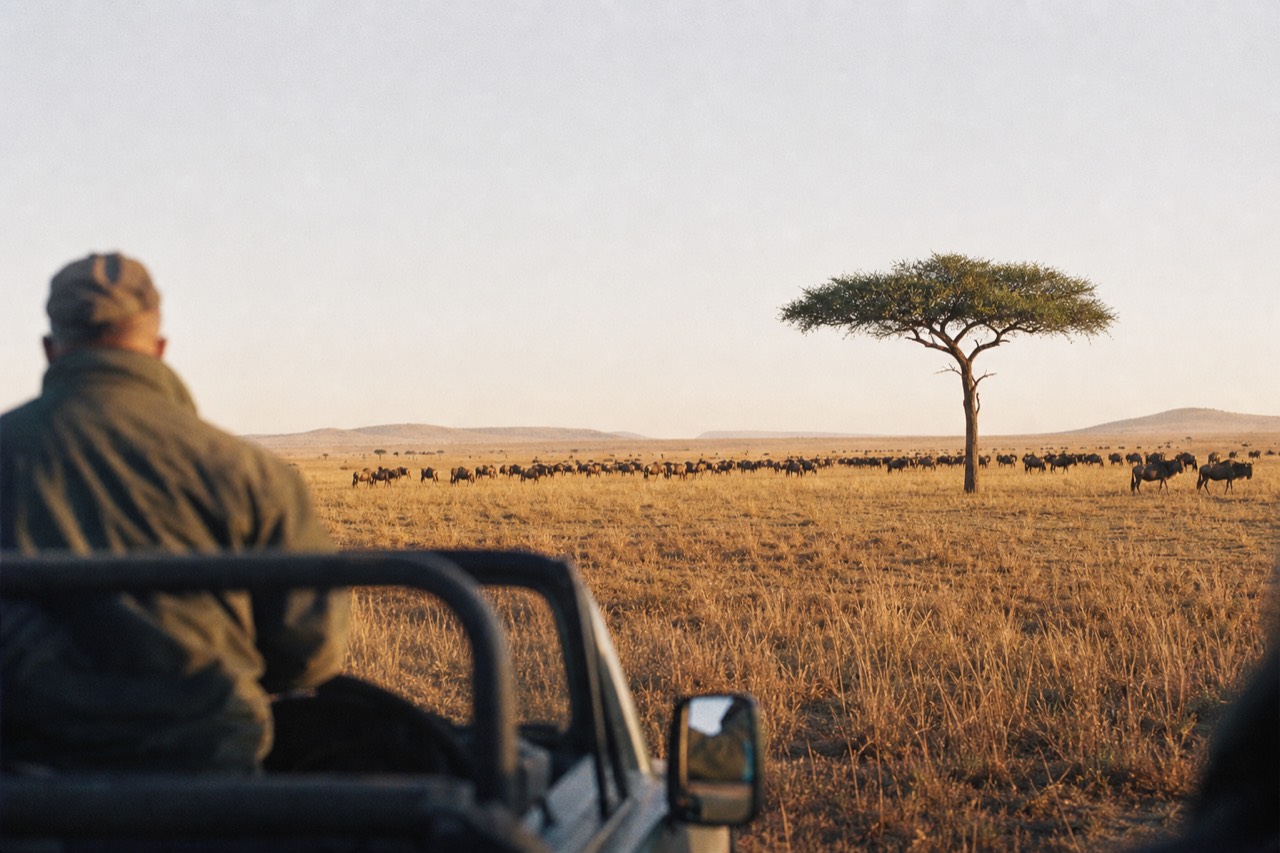
Ask ten guides this question and you will get two answers, both correct, delivered with equal certainty. The split is not confusion. It reflects a park that runs two completely different products depending on which half of the year you show up in.
August is the best single month to visit the Serengeti: dry cool air, grass grazed short, the wildebeest concentrated in the northern river country and the highest crossing probability of the year. February is the strongest alternative, with calving herds packed onto the green southern plains, fewer visitors and lower rates outside the festive weeks.
For a balloon morning, match your month to the launch region and the camp you will actually sleep in.
Booking choice: SBS lists central, northern, western and southern departures; seasonal schedules vary. Explore the itinerary & inclusions
Why June to October is the standard answer
The dry season strips the park back. Grass is grazed low, seasonal water dries up and animals concentrate around permanent rivers and pools, which makes game far easier to find. It also lines up with the migration moving west and then north into Mara River crossing country from July onward.
Visibility is the underrated part. In the wet months a lion can be twenty metres away in tall grass and you will drive past it. By July the plains are ankle height and bleached, and everything reads as a dark shape at distance.
The trade is cost and company. This is Tanzania's peak season, northern camps charge their highest rates, and park entry sits on top at roughly $70 per non-East-African adult per day under the latest published national park tariff, billed through your safari.
The green season case: January to March
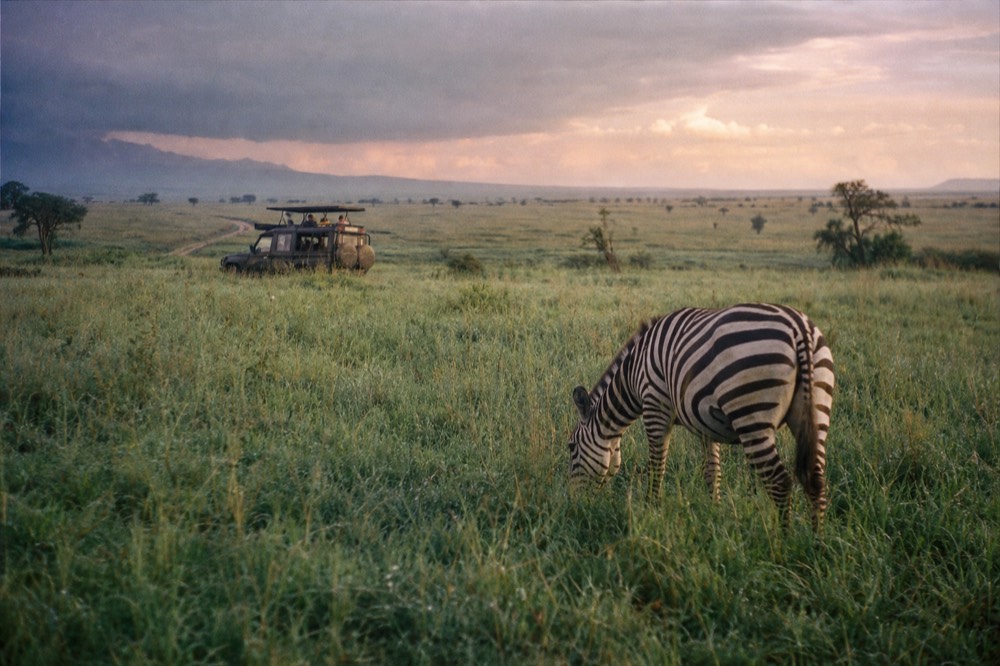
Calving happens on the southern short-grass plains between roughly late January and mid-March, when hundreds of thousands of wildebeest give birth in a compressed window. Predator activity spikes, the park is greener, visitor numbers are lower and camp rates drop once the festive weeks pass.
Most first-time planners never hear this option, and it is a serious one. The herds are concentrated rather than strung out, so you are not chasing them across a huge sector. Rain here is mostly an afternoon habit, and the light after an overnight shower beats anything the dusty months offer.
Month by month, at a glance
Every month in the Serengeti is viable, but they are not interchangeable. This grid lines up season, herd position and what you trade in cost and company, so you can read your own dates against the year rather than defaulting to August.
| Month | Season | Where the herds usually are | Cost and crowds | Verdict |
|---|---|---|---|---|
| January | Green, short rains easing | Southern plains, calving beginning | High over the festive weeks, then easing | Strong |
| February | Green, warm | Southern plains, calving at density | Moderate | Excellent |
| March | Long rains begin | South until mid-month, then drifting | Low | Good early, mixed late |
| April | Long rains in full | Central, spread out | Lowest of the year | Weak |
| May | Long rains tapering | Central, columns forming west | Low | Weak to fair |
| June | Dry season starts | Western Corridor and the Grumeti | Rising | Good |
| July | Dry, cold dawns | Pushing north, first crossings | High | Excellent |
| August | Dry, cool | Northern Serengeti, Mara River | Highest | Best overall |
| September | Dry, warming | North, crossings continuing | High | Excellent |
| October | Dry, hot, late storms | North, herds turning south | High early, easing late | Very good |
| November | Short rains arrive | Moving south through east and centre | Low | Fair |
| December | Green flush | Southern plains by late month | Rises sharply from mid-month | Good |
Which months should you avoid?
April and May are the weakest window. The long rains are at full strength, grass is tall enough to hide game, black-cotton tracks turn difficult and some seasonal camps close. Nothing is unsafe or impossible, and rates are the lowest of the year, but it is the hardest stretch for actually finding animals.
November is the other soft spot, milder but still between the park's two headline events. If your dates are stuck in either window, the fix is the central Serengeti: resident elephant, lion, giraffe and hippo do not migrate anywhere, and the Seronera valley holds game all year. Read across the whole country rather than one park, what the long rains close down runs through the mud-bound tracks, the camps that shut and the launch fields that go with them.
| What you are optimising for | Best window | Why |
|---|---|---|
| Migration and crossings | July to October | Herds in northern river country, August most active on record |
| Calving and predators | Late January to mid-March | Concentrated births on the southern short-grass plains |
| Fewest visitors | April to May, November | Off-peak rates, quiet roads, harder viewing |
| Easiest game spotting | June to October | Short grass, animals concentrated on permanent water |
| Photography in green landscape | January to March | Washed air, storm light, green plains |
| Lowest total trip cost | April to May | Lowest camp rates, park fees unchanged |
Does the balloon flight change the answer?
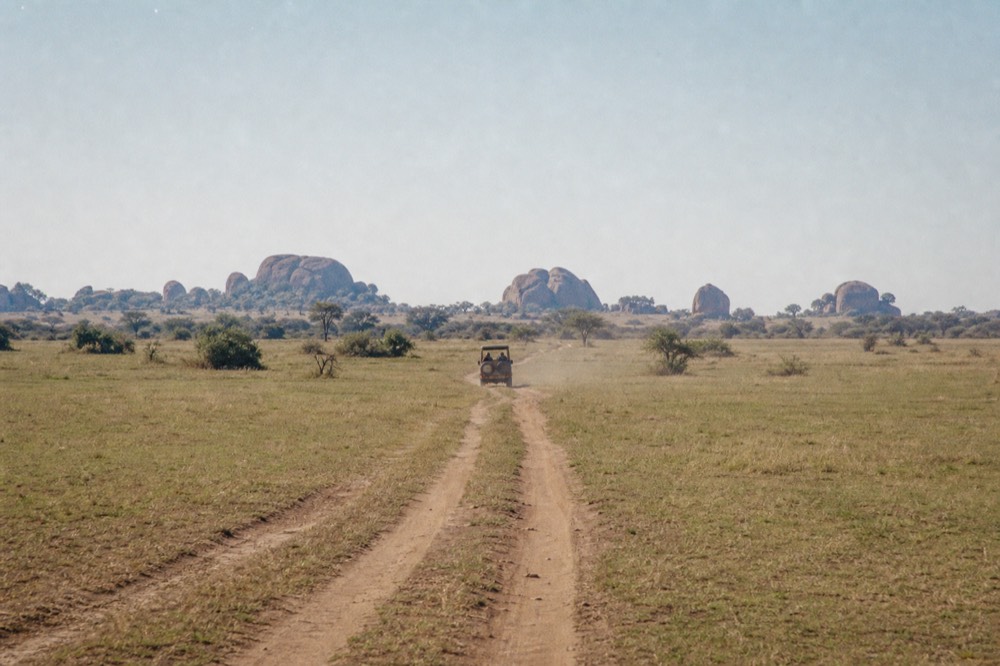
Slightly. Balloons launch from four fields on their own schedules: Seronera every morning of the year, Ndutu 20 December to 31 March, the Western Corridor June to October and Kogatende July to October. A month that is good for a safari is not automatically a month when the field nearest your camp is open.
It is a narrower question with its own calendar. The month-by-month balloon flying guide covers weather, herd position and booking pressure per month, matching your camp to a launch field handles the pickup radius, and what the migration looks like from altitude is the one to read if the herds are the reason you are going. To track the season yourself, the live migration tracker carries dated sightings from guides across the ecosystem.
Whichever month you land on, the flight is priced the same: $599 per person across the three classic dawn listings, $643 for the champagne variant, park entry billed separately through your safari. Related reading: Compare every bookable flight.
Frequently asked questions
What is the best month to visit Serengeti?
August, for most travellers. Dry cool air, grass grazed short, the herds concentrated in northern river country and the highest crossing probability of the year. February is the strongest alternative, with calving on the green southern plains, fewer visitors and lower rates. April and May are the weakest months.
What is the cheapest month to go on safari in the Serengeti?
April and May. The long rains bring the lowest camp rates of the year and the quietest roads, but tall grass and difficult tracks make game harder to find. Park entry does not change with the season: roughly $70 per non-East-African adult per day under the latest published tariff, billed with your safari.
When is the wildebeest migration in the Serengeti?
It moves year-round in a loop. Calving on the southern plains January to March, central Serengeti April and May, the Western Corridor in June, the northern Serengeti and Mara River July to October, then south again through November and December. Timing shifts 4 to 8 weeks year to year with rainfall.
Is the rainy season a bad time for a Serengeti safari?
Not bad, just harder. Rain mostly falls in the afternoon, so mornings usually stay workable, and the green landscape photographs beautifully. The problem is tall grass hiding game and soft tracks in the long rains from March to May. Resident wildlife in the central Serengeti stays put all year.
Choose the experience that fits your trip
General starting point; dates, pickup and passenger acceptance still need confirmation.
Match your camp and month · alternatives & optional controls
- Nyssa: Seronera flight & luxury bush breakfast — Five-hour central Serengeti morning with camp pickup, breakfast and washrooms at launch and breakfast. Finishes at Serengeti Visitor’s Centre. Park entry and outside-park transfers excluded. No pregnancy, back problems, recent surgery or wheelchair use. Confirm child eligibility directly.
- Miracle Experience: balloon safari & bush breakfast — About five hours with camp transfers, tea/coffee, flight, breakfast and binoculars. Park entry and outside-park transfers excluded. Listing excludes under 120 cm and over 120 kg; child booking bands start at 5, but acceptance requires operator confirmation. No pregnancy or significant back/heart conditions.
Serengeti Balloon Safaris: dawn flight & breakfast
Have your travel dates? Check the itinerary and final price before fixing the rest of your trip.
About five hours including transfers, sunrise flight and bush breakfast. Park entry is extra. Ages 7+. Camp pickup and weight acceptance must be confirmed; no pregnancy, significant back or heart conditions.
Check dates & final price on Viator